
Health is more than a calorie, and it's more than your body.
What metabolic health really means, why weight tells only part of the story, and how your mind and body work as one.
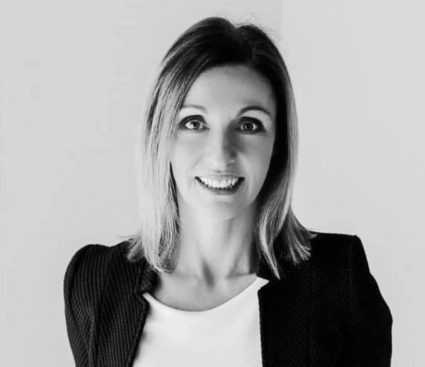
With Jacquie Whur MSc Psych GMBPsS
Clinical Hypnotherapist & Metabolic Health Coach
Sessions in my clinic in Southwell or online
Registered with the GHSC & CNHC
Graduate member of the British Psychological Society. Fully insured.
What is metabolic health
Metabolic health is about how well your body makes and uses energy. Doctors look at markers such as blood sugar, blood fats, blood pressure and waist size. When these are in a healthy range, your body is handling food, stress and energy well. When they drift, it's often years before you feel it.
It isn't the same as being slim, and it isn't the same as dieting. Weight is one signal, it isn't the whole picture.


What is metabolic syndrome?
Doctors use the term metabolic syndrome when several of these markers drift out of range together: a larger waist, raised blood sugars, higher blood fats, (tryglicerides) and lower 'good' HDL cholesterol. It's usually diagnosed when someone has three or more of the five.
It's common, and it usually brings no symptoms, which is why it's easy to miss. It's linked with a higher risk of type 2 diabetes, heart disease and stroke, and researchers are also looking at links with memory and thinking.
I don't diagnose it. Your GP can check your markers and routine tests. What I do is support the habits that look after them, including sleep , stress, food and movement, alongside your doctor. For many people these markers can change with lifestyle changes and, where needed, medication, which is why looking at them early is worthwhile.
Why a calorie isn't the whole story
A calorie is a unit of energy. It can't tell you how your food affects your hunger, your blood sugar, your mood or how long you will feel full. Your body responds to far more than a number.
- What you eat, and in what order and pattern, not just how much.
- Hormones, including insulin, which helps manage blood sugar, and the stress hormone cortisol.
- Sleep, which can change how and why you eat.
- Movement and daylight, which support sleep, mood and energy.
That's why 'eat less, move more' so often fails the person following it. It treats the body like. calculator, and you're not one.
Muscle: your metabolic engine
Most people think of muscle as being about strength or shape. It's also one of your body's main metablic organs. After you eat, your muscles take up much of the sugar from your blood. One review describes skeletal muscle as responsible for about 80% of the glucose taken up from the blood after a meal.
Thats why movement is part of metabolic health, and why it isn't only about burning calories. Using your muscles regularly is one way of looking after that engine. I don't prescribe exercise programmes, but we look at simple ways of moving more that suit your life and your body. If you have a medical condition, please check eith your GP before starting something new.
Metabolic health isn't just the body, it's the mind too
What you feel changes what you do, and what you do changes how you feel . Stress can send you to food for comfort. A bad nights sleep can make cravings louder and patience shorter. Anxiety, low mood and the way you talk to yourself all shape your eating, your sleep and your energy. Researchers have found links between mood and metabolic health in both directions.
Thats why I never work on one side alone. Food advice without the mind often fades by Friday. Hypnotherapy without the biology of the body can miss half of whats keeping you stuck.
What you believe, it can matter.
A well known study shows how closely mind and body are linked. Psychologists Ellen Langer and Alia Crum studied 84 hotel housekeepers. Half were told that their daily cleaning work counted as good exercise, meeting healthy-activity guidelines. The other half were told nothing.
Four weeks later, the women who had been told showed improvements in their weight, blood pressure, body fat, BMI and waist to hip ratio compared with the others. The housekeepers reported no change in their habits. What changed was how they saw their work.
This was one small short study of women in one job, so it doesn't mean thoughts alone change your body, and it doesn't replace movement for good food. But it is a striking reminder that what you believe about your health, and what you think you're capable of, isn't separate from your body.
Your brain is part of your metabolism
Your brain uses a lot of energy, and it makes and uses insulin too. That's one of the reasons scientists are studying how blood sugar and insulin affect the brain.
People with diabetes are, on average, more likely to develop dementia, including Alzheimer's disease, its most common cause. Researchers haven't shown that diabetes causes it, and many things contribute. Some scientists use the unoffical term 'type 3 diabetes' for the idea that insulin problems in the brain may play apart in Alzheimer's. It's a hypothesis, not a diagnosis, and it's still being tested.
What I take from this isn't fear. It's that the brain and body are connected, and that you have more control over your health than you may think. So looking after your sleep, your stress, your movement and your eating is worth doing for your whole self. If you're worries about your memory, please speak to your GP.

How I work
I combine four things, so we work on the whole picture.
- Your mind: Hypnotherapy, psychology and emotional regulation, so you can respond to stress and feelings without food or worry running the show. See emotional eating & weight and anxiety.
- Your food: General guidance on real food and steadier eating, with no calorie counting and no good or bad labels.
- Your sleep: calming a busy mind and building a better wind down. See sleep & insomnia.
- Your movement and daylight: simple habits that suport sleep, mood and energy.
I also support people with alcohol and confidence and self esteem, through the same mind and body lens.
If you have diabetes or pre-diabetes.
I work alongside your GP or diabetes team, never instead of them. I also run a support group for people with pre-diabetes and type 2 diabetes, focused on lifestyle and nutrition. if you'd like to know more, send me a message.
My Background
I came to this work after many years in banking. I retrained as a clinical hypnotherapist, complete an `MSc in psychology with a thesis on emotional eating, stress response and hypnosis, and trained in metabolic nutrition, with Nutrition Network. I'm also an ambassador for the Public Health Collaboration, a charity promoting real food and public health. Read more about me
Questions people ask
Is it a diet? No. There are no shakes or fixed meal plans. We work on your habits, thoughts and emotions, with general guidance on food, sleep and movement.
Do you test my blood sugar or give medical advice? No. I don't diagnose or treat medical conditions. If you'd like your markers checked, your GP can arrange it, and I will work alongside them.
Is Alzheimer's really 'type 3 diabetes' It's an unofficial label for a hypothesis that insulin problems in the brain may contribute. It isn't a diagnosis.
Will this help me lose weight? I can't promise a number or a result. My focus is helping you feel calmer and more in control around food, and giving your body a better chance.
Should I see my GP first? If you have a medical condition, take medication or have had sudden changes in weight or memory, please talk to your GP and keep them informed. I never advise on any medication.
Ready to talk it through
Book a free discovery call and tell me what you'd like to change. Its a chat, with no obligation.
Or complete the enquiry form below, and I will get in touch and arrange a suitable time to schedule a call.
Sessions in Southwell, Nottinghamshire (easy to reach from Retford, Newark, Lincoln, Grantham, West Bridgford & Nottingham, or online.
Sign up to my weekly newsletter.
I cover all things from mind to metabolism, with practical tips you can use each week, on how to manage your thoughts, and be healthier and happier. If you would like a free hypnosis download to calm the mind, just send me a message.
Ready to get in touch, or just talk it through.
Book a free chat, or send me a message via WhatsApp or simply fill in the enquiry form below.